Nonprofit gGmbH · Düsseldorf
Our Day-Care Centres in Düsseldorf
PRI & PRI KITA manages Kindertagesstätten across the city. Here you can see how our houses differ, which age groups each one covers, and how their days are structured.
How to read this overview
Düsseldorf's Kita landscape is varied, and the differences between houses are real. A centre in one district can feel quite different from one a few streets away — different rooms, a different team, a different rhythm to the morning.
This page gives parents an overview of the day-care centres managed by PRI & PRI KITA: the age groups we work with, typical opening hours, and what distinguishes one location from another. Use it to build a shortlist, then visit.
Age groups
U3 and Ü3
Under three, and from three until school entry. Each band needs its own staffing and rooms.
Daily span
Full-day care
Ganztagsbetreuung is common in the city. What matters is the pickup window, not the headline hour.
Group sizes
Places, not pools
Capacity is broken down by group and by age band, so a simple yes or no rarely applies.
What you can expect from a PRI & PRI KITA centre
Every centre we manage follows the same baseline. Beyond that baseline, each house has its own character, shaped by its rooms, its neighbourhood and its team. We think that is a feature, not an inconsistency.
Parents should choose a Kita that fits their child, not one that fits a template.
Same baseline in every house — different rooms, different team, different mornings.

The shared baseline
- Qualified staff in every group
- A structured daily routine
- Regular outdoor time, whatever the season
- Meals and rest periods built into the day
- A planned settling-in period for new children
- A named person to contact when you have questions
What a Kita looks like up close
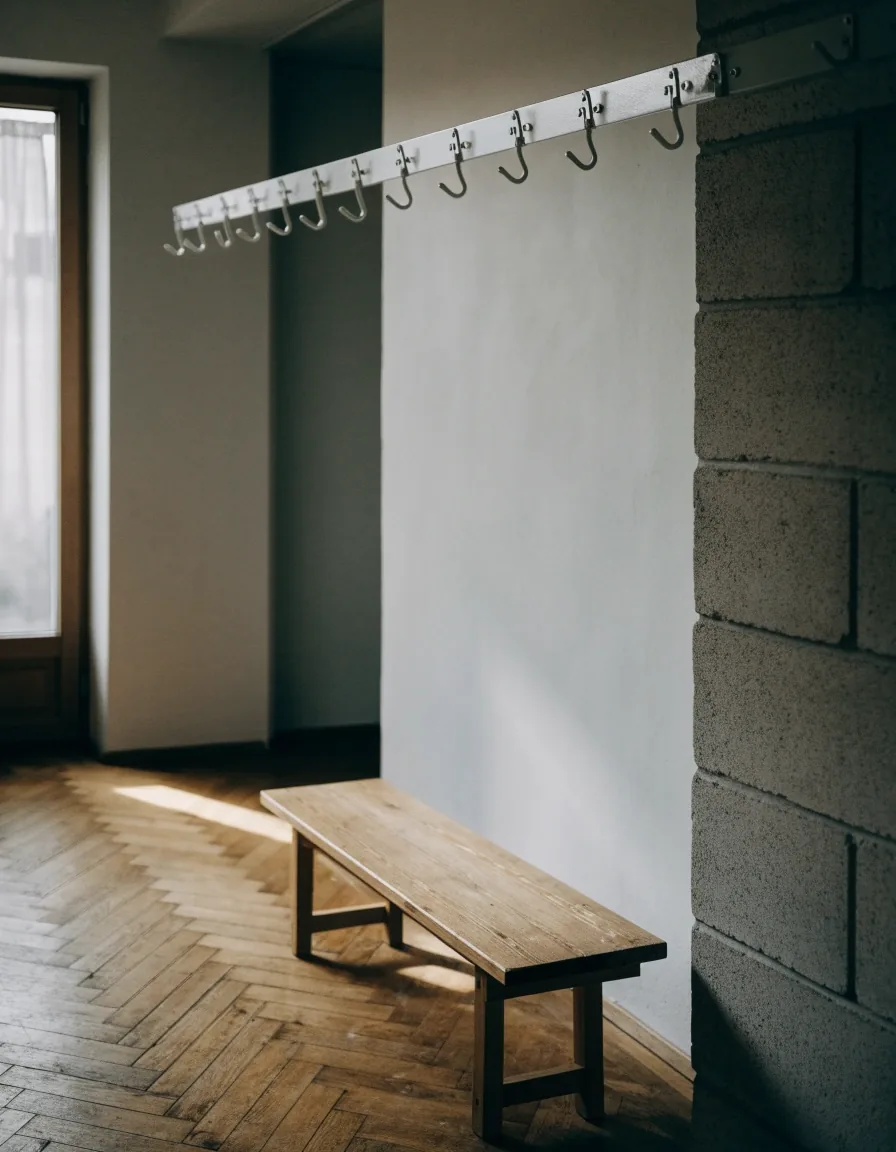
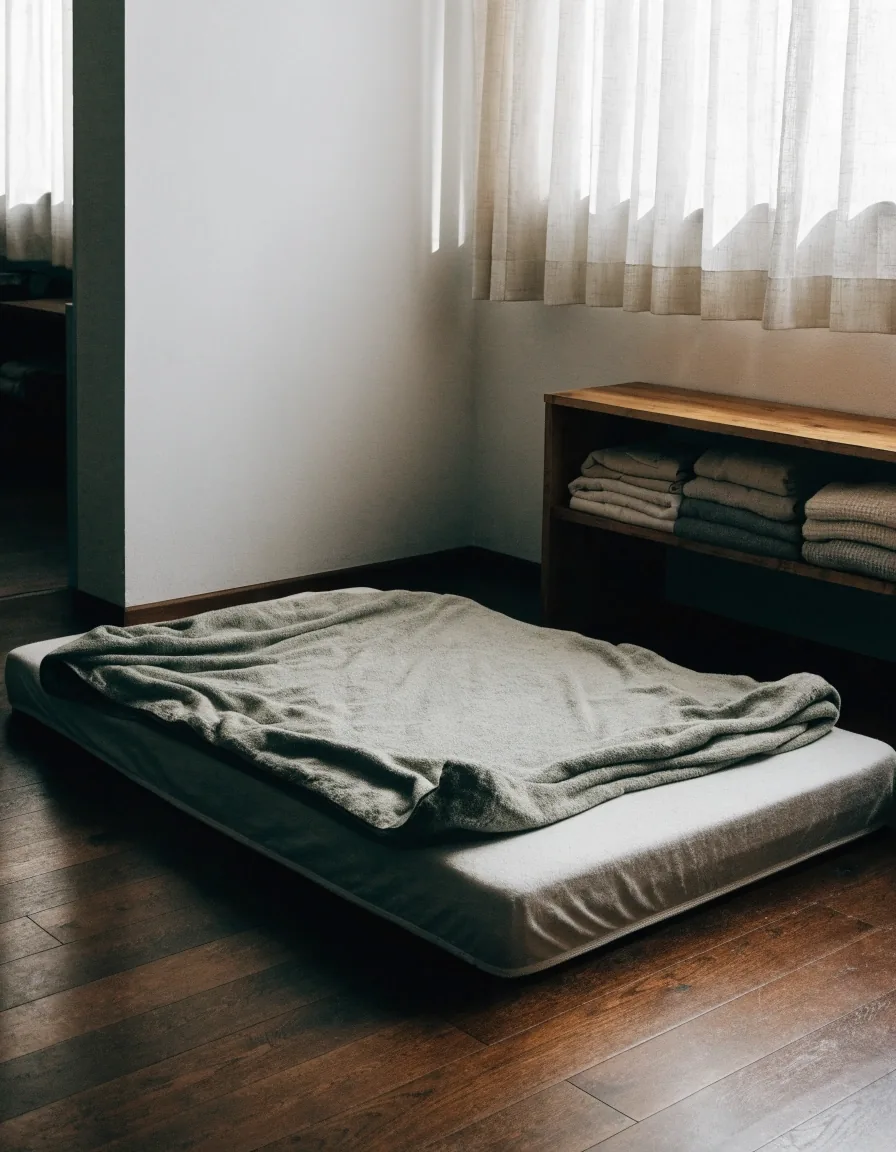
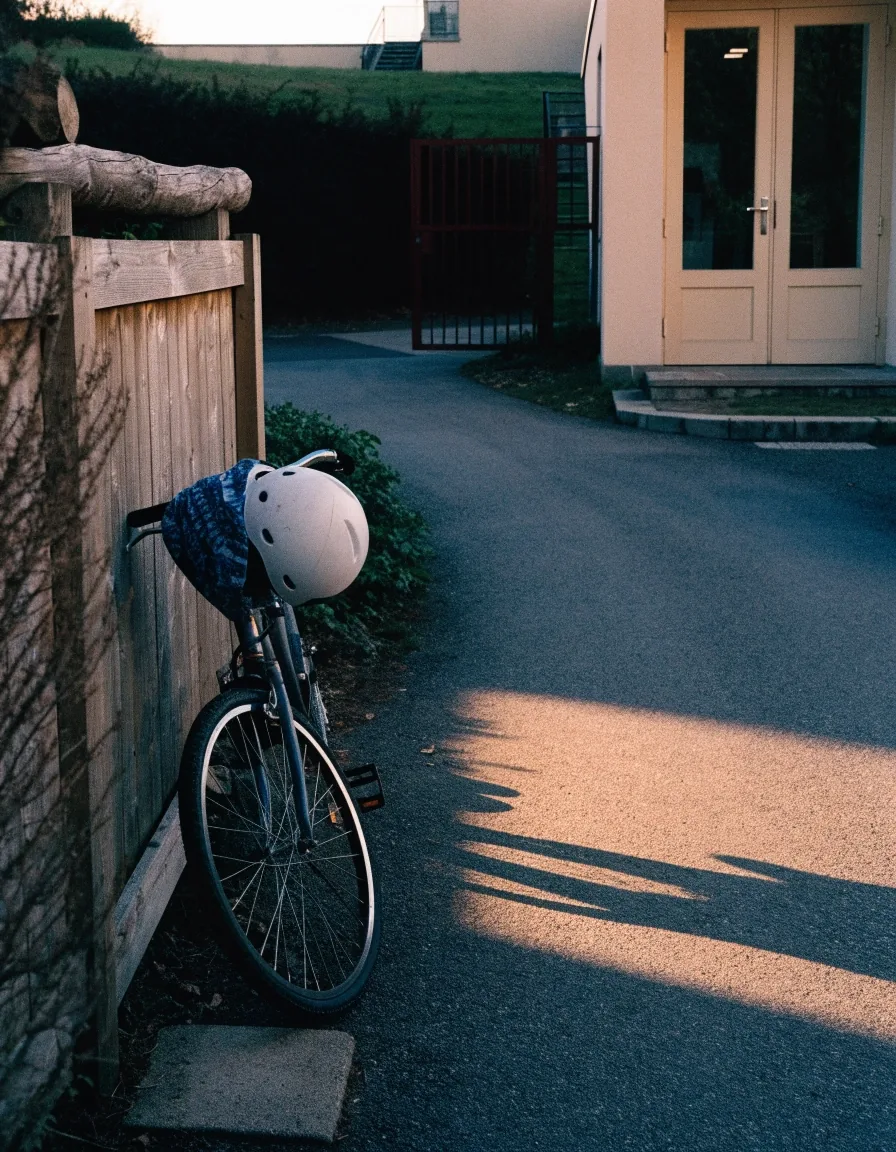
The details you notice on a visit: coat pegs at child height, shoes lined up at a door, a folded blanket on a low shelf. Small things, but they tell you how a house is run.


Age groups: U3 and Ü3
Kitas in Düsseldorf distinguish between U3-Betreuung for children under three and Ü3-Betreuung from age three until school entry. The two require different staffing ratios, different room setups and different daily rhythms.
A centre may offer only one band, or both. When you look at a listing, check which age band it covers before anything else — a beautiful Kita with no U3 places is not an option for a one-year-old.
U3 Betreuung
Under three
Smaller groups, more adults per child, shorter and more flexible days, sleep and feeding built around the individual child rather than a fixed timetable.
Ü3 Betreuung
Three to school entry
Larger groups, project work, longer outdoor blocks, and preparation for the transition to primary school in the final year.
If your child turns three during the year, ask how the house handles the move between bands. Some centres move children in a planned step; others keep a group together for continuity.
Full-day care and opening hours
Many Düsseldorf Kitas offer Ganztagsbetreuung, full-day care. City facilities commonly run from around 07:30 to 16:30 on weekdays, and independent and welfare-run houses vary around that.
What matters practically is the pickup window and the closure days, not the headline hours. A Kita that closes at 16:00 sharp can be harder for a commuting parent than one that closes at 16:30 with a flexible window. Ask about both when you visit.
A typical weekday, as houses in Düsseldorf usually run it
Times vary by house. Ask for the actual pickup window and the closure days for the centre you are considering — those two answers matter more than the opening hour.
Capacity, groups and inclusion
Capacity numbers in German Kitas are usually broken down by group and by age. Not every Kita publishes this level of detail, but the pattern is normal: places are not one pool, they are several.
This is why "does the Kita have space?" rarely has a simple yes or no. A house can be full for one-year-olds and still have a place for a five-year-old.
How one municipal house in Düsseldorf is listed
The example is the city facility on Velberter Straße, published with exactly this breakdown. Inclusion places are part of the total, not an extra pool — so if you are looking for a place for a child with a disability, ask which groups carry those places.
A Kita's name is not decoration. It is how a house becomes a place in a parent's mind — and how you find it again in the city's Kita-Navigator.
PRI & PRI KITA gemeinnützige GmbH · Düsseldorf
How naming and identity work in German Kitas
German Kitas often carry playful names — Kita Waschbären, Kita Wiesenwichtel, Tageseinrichtung Lummerland — and this is not just decoration. A name helps a centre become a place in parents' minds and in the neighbourhood.
It also appears in the city's Kita-Navigator, which is where most families first encounter it. When you are comparing listings, the name is often the first thing you see and the last thing you remember.
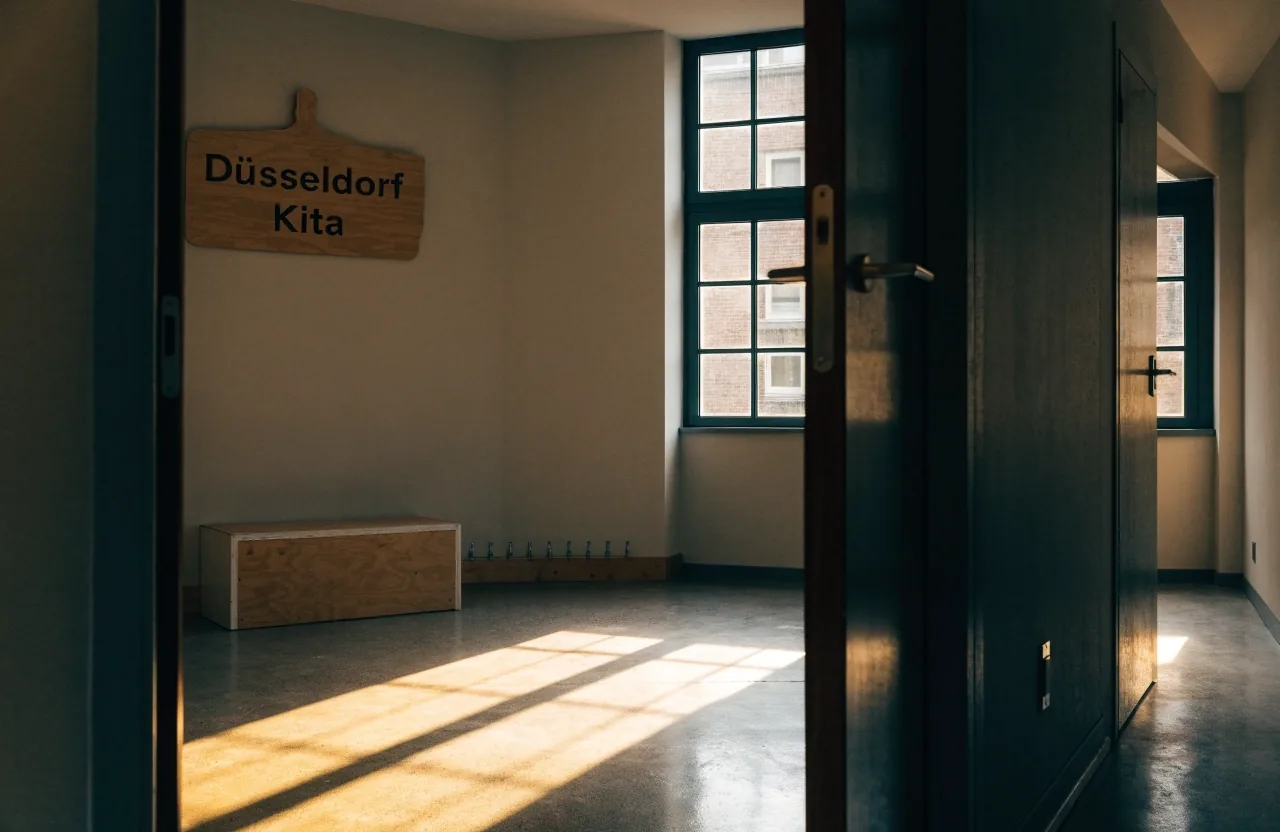
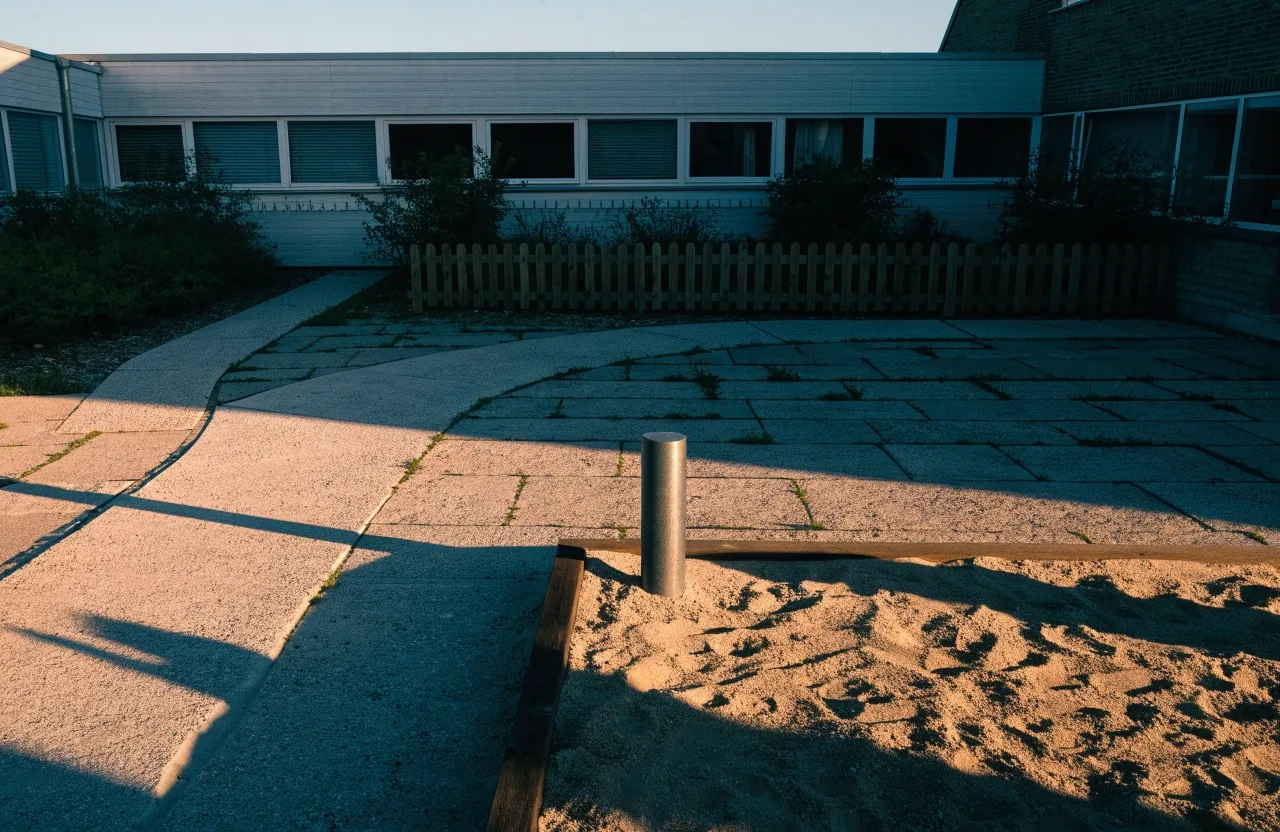
An entrance hall does the same work as a name: it tells a child where they are before anyone says a word.
Neighbourhood Kitas and larger networks
Some Kitas are small, neighbourhood-scale houses. Others belong to larger networks; Diakonie Düsseldorf, for instance, operates many Kitas across the city, with family centres at a large share of its locations. Neither model is automatically better — it is worth knowing which kind you are looking at.
Small house
Fewer groups, a team that knows every family by name, and a rhythm that changes slowly. Continuity is the strength: the same adults across the whole Kita years.
Ask about cover arrangements when a staff member is ill, and about how the house handles a change of group leader.
Larger network
Shared expertise across several houses, easier cover during staff absences, and often attached family services such as counselling or parent groups under the same roof.
Ask which services are on site and which are only available at another location in the network.
PRI & PRI KITA sits in the second group: a nonprofit operator that manages and runs Kitas rather than a single standalone house. If you want to compare us against a small neighbourhood Kita, compare on the questions below and on what you see during a visit.

Age ranges and how they shape the day
Age range shapes everything: staffing, room layout, the length of rest periods, how meals are served, how much freedom children get outdoors.
A Kita serving children aged three to six, like the Diakonie house on Langerstraße, plans its day around a different rhythm than a house with babies and toddlers. When you visit, ask how the day is structured for your child's age group specifically, not for the Kita in general.
Finding the right fit for your family
The practical advice is to visit more than one centre and to compare them on the same questions. Düsseldorf's Kita-Navigator and the city's family advisory service can help you build a shortlist. After that, the decision is yours, and it should be based on what you see and hear, not only on what a listing says.
- 1 Check the age band first — U3, Ü3, or both. Everything else follows from that.
- 2 Compare the actual pickup window and the closure days, not the headline opening hours.
- 3 Ask about group size and how many adults are in the group your child would join.
- 4 Ask how the Eingewöhnung works and how long it usually takes in that house.
- 5 Test how easy it is to reach a person when you have a question — before you commit.
Visiting a Kita in Düsseldorf
Most houses offer a guided visit before you decide. Bring the questions above, walk through the rooms at the time of day your child would actually be there, and watch how the team speaks to the children. That hour tells you more than any listing.
Talk to us
- Phone 996513769
- Email [email protected]
- Vagedesstraße 19, 40479 Düsseldorf, Germany
- Monday to Friday, 7:30 AM – 5:00 PM
Where to find us
Our office is on Vagedesstraße in Düsseldorf-Derendorf. If you are unsure which of our centres fits your child's age group, call or write first — we can point you to the right house before you start visiting.
PRI & PRI KITA gemeinnützige GmbH · Vagedesstraße 19, 40479 Düsseldorf, Germany
Questions parents ask us
Can I apply for a place directly through PRI & PRI KITA?
You can contact us about any of the centres we manage, and we will tell you which houses currently have places in your child's age band. For city-run Kitas, the formal route still runs through the city's Kita-Navigator and the Jugendamt. Our enrolment page explains both paths.
My child is under three. What should I check first?
Check U3 places before anything else. A house without U3-Betreuung cannot take a one-year-old, however good the rest of the listing looks. Then ask about the group's staffing and the settling-in period, because those two shape the first months more than anything else.
Do all your centres run the same hours?
No. The daily structure follows the same baseline, but opening and pickup times differ from house to house, and so do closure days. Always ask for the actual times of the centre you are considering.
What happens during the Eingewöhnung?
A new child starts with short visits and a parent nearby, and the time without the parent grows as the child settles. Each house plans this with the family. Ask how long the process usually takes there and how it is arranged around your working hours.
More answers are collected on our FAQ page, including questions about documents, waiting lists and what to bring on the first day.
Frequently asked questions