
Our day-care centres
Age groups, opening hours and what each house looks like from the inside.
Browse our day-care centres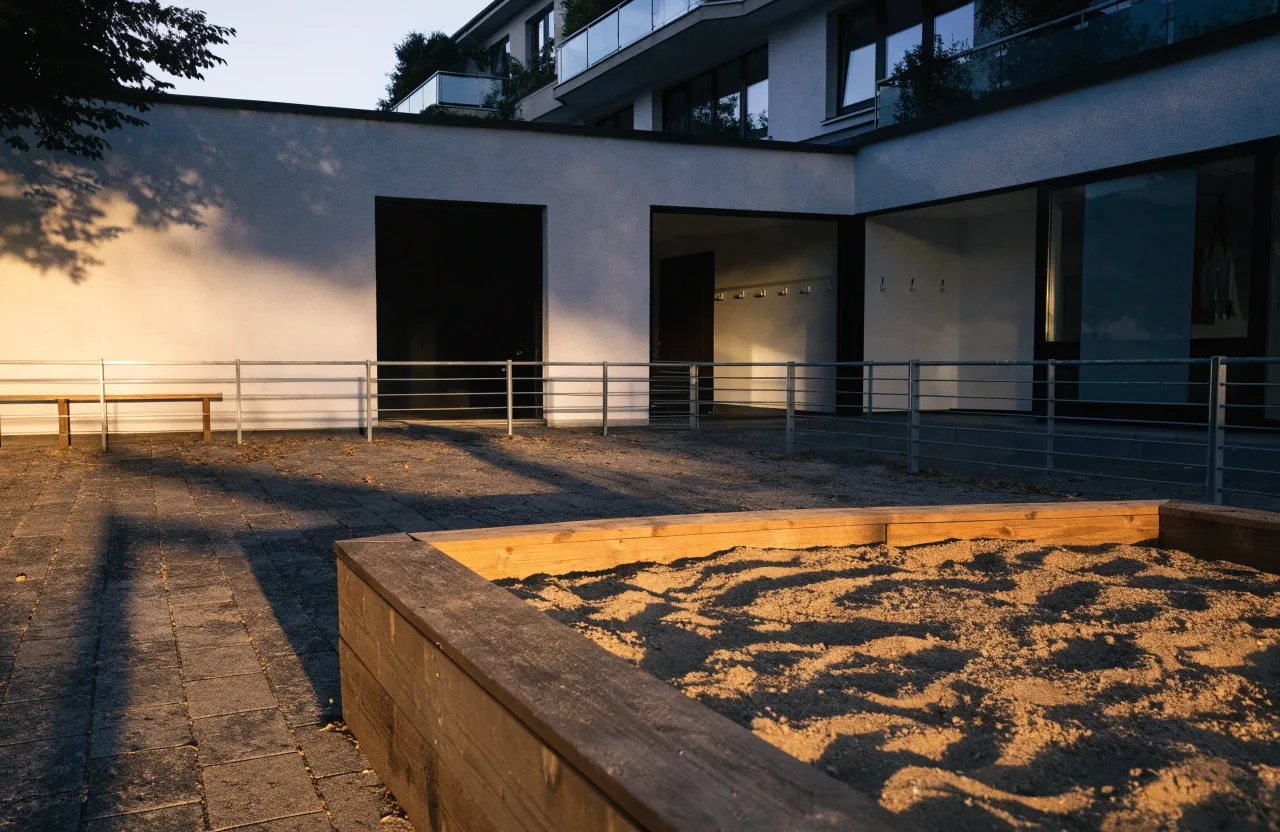
Nonprofit operator in Düsseldorf
PRI & PRI KITA gemeinnützige GmbH runs and supports day-care centres in Düsseldorf. We handle the operational side of a Kita so the pedagogical work with children stays the main event.
This site is the official page of the nonprofit gGmbH, registered as HRB 82607, led by Managing Director Eleni Tzioka. If you are a parent looking for a place, a partner institution, or a city authority checking who we are, start here. Our purpose is narrow and clear: to manage and support Kindertagesstätten so that children are cared for well and families are treated fairly.
Nonprofit status means surpluses stay in the work, not with shareholders. You can call us on 996513769 or write to [email protected]. For enrolment questions, the enrolment page will usually answer them faster than a phone call.
In Germany, a Kita has a Träger: the organisation legally responsible for running it. The Träger hires staff, holds the operating licence, manages the budget, and answers to the youth welfare office. That matters to parents because the Träger, not just the individual building, sets the standard. When you read a Kita listing in Düsseldorf, you are also, quietly, evaluating its operator.
PRI & PRI KITA acts as this operator role for the centres it manages, which is why our name appears alongside the Kita itself. It also shapes what you can ask us: not only whether a place is free, but how the house is staffed, how safety requirements are met, and who is answerable when something needs to change.
See how our operator role is structuredA Kita needs both: someone to run the organisation and someone to be present with the children every morning. We do both, but we keep the two lines clear.
Keeping these roles distinct is what makes a Kita stable instead of stretched. When management and care blur into one job, one of them is always being done in a hurry.
Düsseldorf has a dense mix of providers: municipal Kitas, church-run houses, large welfare associations, parents' initiatives and independent operators. Parents search through the city's Kita-Navigator, the official placement and pre-registration tool, and often ask the i-Punkt Familie for guidance.
Availability varies sharply by district, and U3 places are harder to find than Ü3 places. A nonprofit Träger working in this environment has to be reachable, transparent about capacity, and realistic about timelines.
Places for children under three. Usually the shortest supply and the longest wait, so register early and in more than one house.
From age three until school entry. More places are available, but popular districts still fill up well before the start date.
Ganztagsbetreuung usually runs into the mid-afternoon or later. Check pickup windows and closure days, not just the opening time.
Group sizes, staffing ratios and room requirements differ by age band, so a house may list separate places for under-3s, for 3+, and for children with disabilities.
Place allocation in Düsseldorf is not first-come, first-served in the way many newcomers assume. The city's Kita-Navigator collects your preferences, and Kitas then make offers based on their own criteria and current capacity.
You can and should register in more than one place. Waiting lists exist, and the honest advice is to start early, ideally well before your preferred start date.
Start early. Register in more than one house. Ask what happens after the offer.
The city tool holds your details and preferences. Pre-registration there is the step that puts you in front of every provider you name, not just us.
A single preference limits your options. Add the Kitas that genuinely fit your commute, your child's age band and your working hours.
Have your child's details, your address and your preferred start date ready. Offers usually move faster when a family can answer quickly.
Once a place is offered and accepted, the Eingewöhnung begins. The enrolment page walks through the steps in order and flags the common mistakes.
Kitas in Düsseldorf generally split into U3-Betreuung for children under three and Ü3-Betreuung from age three until school entry. Many houses offer Ganztagsbetreuung, full-day care that usually runs into the mid-afternoon or later. Group sizes, staffing ratios and room requirements differ by age band, which is why a Kita's capacity numbers are rarely a single figure.
A centre might list separate places for under-3s, for 3+, and for children with disabilities, as municipal listings like the one for Velberter Straße show.
Full-day Kitas in Düsseldorf commonly open early in the morning and close in the late afternoon, with some variation by house. The city's own facilities often run from around 07:30 to 16:30 on weekdays.
Families should check the specific hours of the Kita they are considering, because pickup windows and closure days affect commuting, work schedules and siblings' routines more than any brochure line suggests.
Language development runs through the whole day, not in a separate lesson. It happens at the lunch table, during role play, in picture-book time and in how educators name what children are doing.
Düsseldorf's larger welfare providers describe language, creativity and child development as core areas, and this matches how serious Kitas plan their week. What parents can watch for is whether activities are regular and explained, not occasional and decorative.
The first weeks in a Kita are structured, not improvised. Most providers follow an Eingewöhnung model where a parent attends initially and gradually steps back as the child builds trust with the educators.
This is not a formality. A calm settling-in period shapes how a child experiences the whole day for months afterward. We treat it as part of the pedagogical work, not as administration to get past.
Some Kitas are attached to a Familienzentrum, a family centre offering advice, courses and contact points beyond childcare itself. Diakonie Düsseldorf, for example, runs family centres at dozens of its locations.
For families, this can mean easier access to counselling, parent groups or language courses in the same building. It is worth asking whether a Kita is part of such a network when you visit.
If you are a parent, the fastest route is our enrolment page. If you want to know what a day actually looks like inside one of our centres, the day-care centres page describes age groups and opening hours. Institutions and authorities can go straight to the services page for how we structure management and cooperation.
Age groups, opening hours and what each house looks like from the inside.
Browse our day-care centres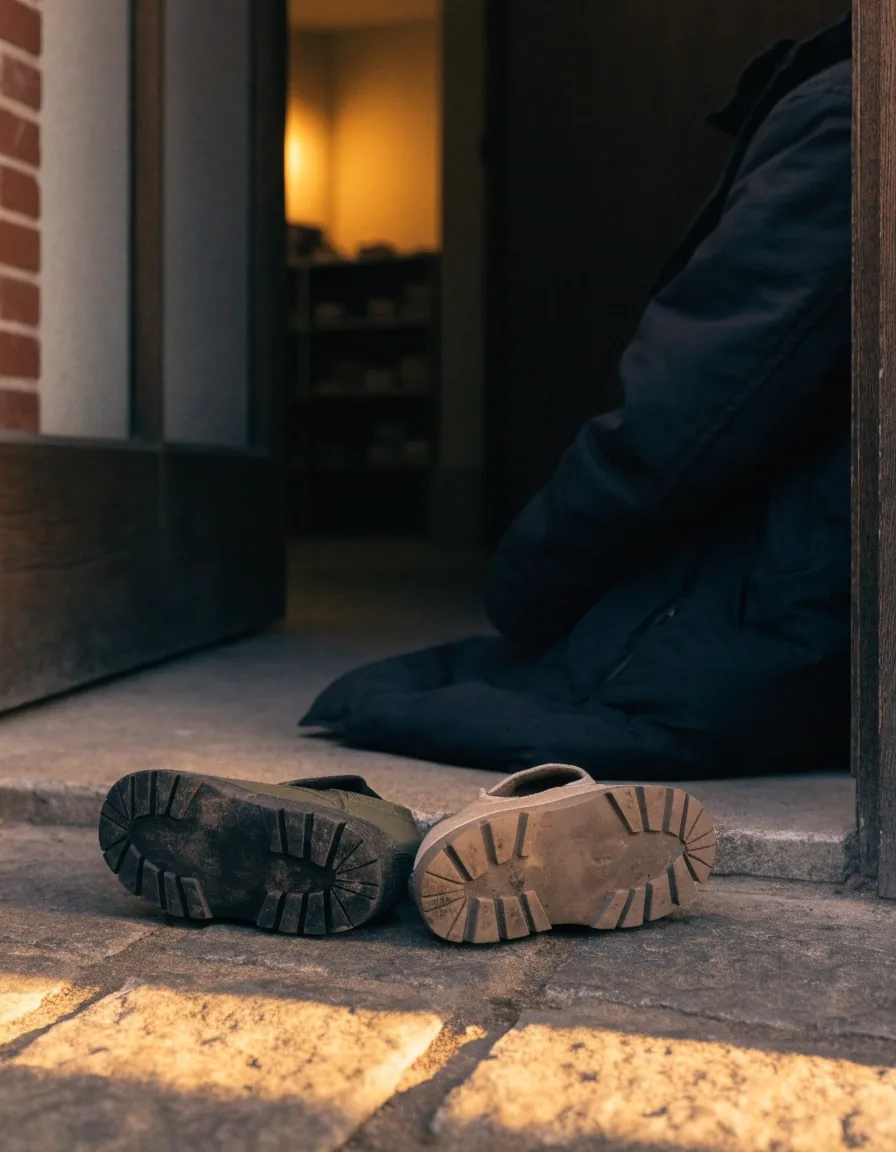
The Kita-Navigator, the documents you need, and what a realistic timeline looks like.
See enrolment steps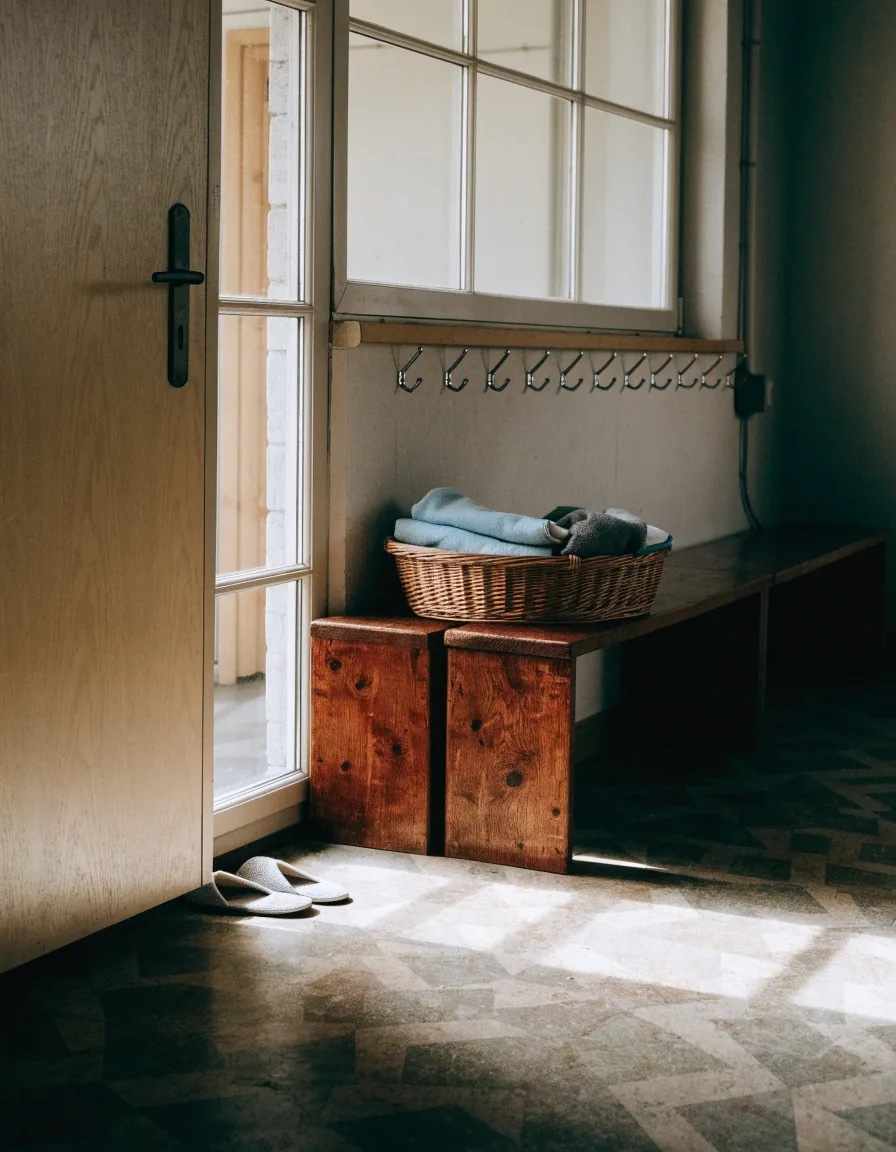
How we structure staffing, safety requirements and cooperation with the city.
What we do as a Träger
Family centres, advice and courses that continue past the childcare hours.
Support for familiesCare is measured by what is regular, not by what is announced once.
PRI & PRI KITA · Managing Director Eleni Tzioka
No. We are an independent nonprofit organisation, a gemeinnützige GmbH registered in Düsseldorf. We work with the city and the Jugendamt, but we are not a city department.
Pre-registration for Düsseldorf childcare runs through the city's Kita-Navigator. Our enrolment page explains how the system works and how to approach a place at one of our centres.
Both. We handle operational management and we are responsible for pedagogical care in the centres we run. The two areas are organised separately but belong to the same Träger.
It means the organisation has a charitable purpose recognised under German law. Any surplus is reinvested in the work rather than distributed to owners.
You can call us on 996513769 or write to [email protected]. For enrolment questions, the enrolment page will usually answer them faster than a phone call. For anything specific to your child or your situation, contact us directly and we will point you to the right person. We answer parent enquiries and institutional enquiries through the same office, so please mention which one you are.
PRI & PRI KITA gemeinnützige GmbH · HRB 82607 · Managing Director Eleni Tzioka